District heating

Jelling Varmeværk

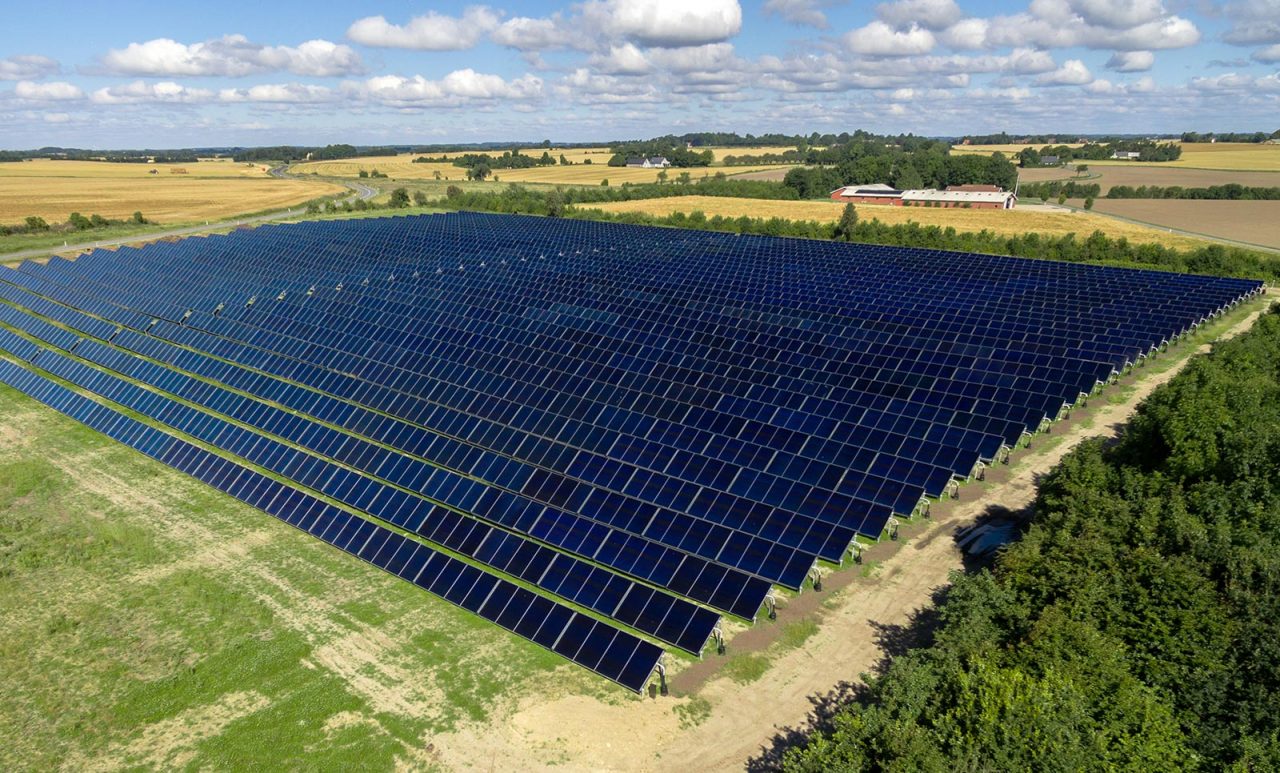
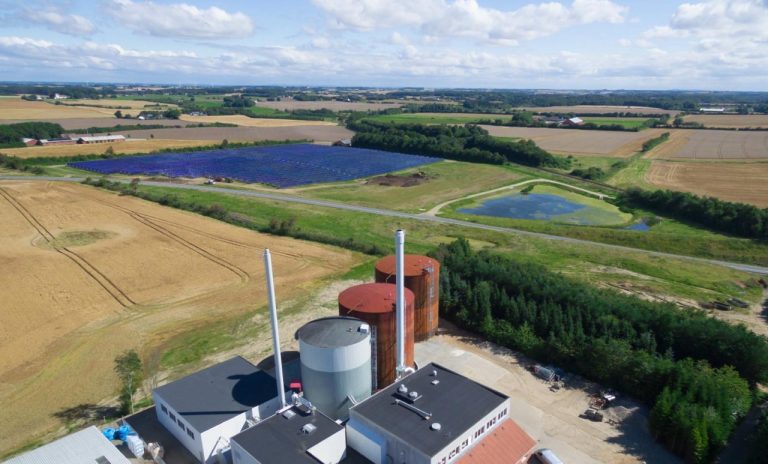
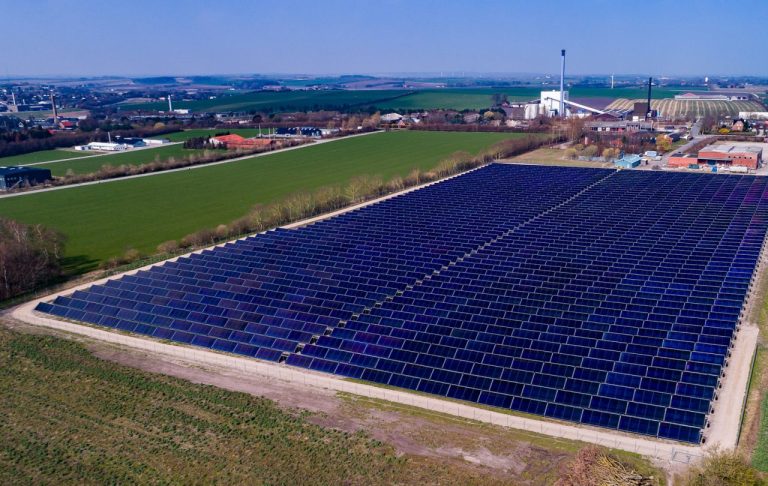
Jelling Varmeværk is a Danish district heating plant in the historical village of Jelling, which is the former home of the Viking Chief Harald Bluetooth. Apart from the 20,125 m² collector field, Jelling Varmeværk produces its energy from a 1 MW wood chip boiler, a 1.5 MW absorption heat pump and 2 gas CHP engines with a total capacity of 8 MW heat and 6 MW electricity.

The first solar system was commissioned in summer 2016 and during its first week of operation, the collector field set a new Danish record by producing nearly 5 kWh/m² in a day.

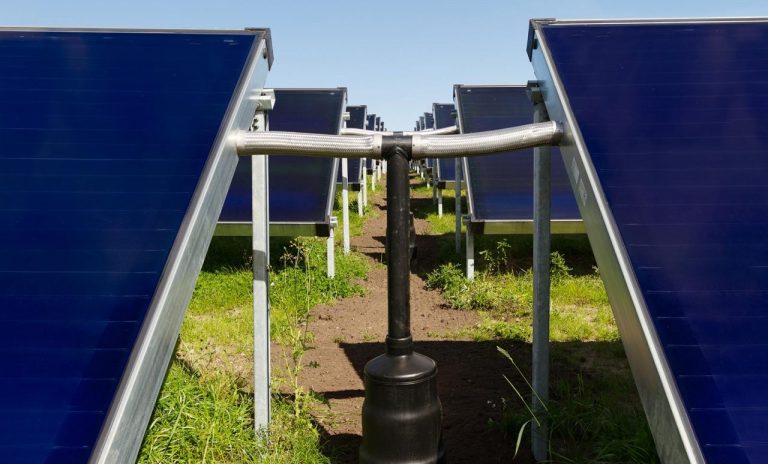
The collector field in Jelling has double stanchions which allows for two collector rows to connect to one and the same pipe and thereby save costs and thermal losses. The annual solar thermal production is about 11,200 MWh, which covers over 25% of the town’s energy need for heating.

In 2018, Jelling Varmeværk placed a second order with Savosolar for the 4,836 m² extension of the successfully running existing collector field. The extension will be installed in first half of 2019 and it will further grow the fraction of district heating produced with solar energy.

“We chose Savosolar as our collector supplier due to their high efficiency in combination with their innovative solutions. They enable us to have an environmentally friendly, stable and low price for heating over the next 20 years. Collectors have integrated hose connections which means that they disturb the landscape as little as possible in an historic village of Jelling. The collectors can also follow the curvature of the landscape which means that we didn’t have to level out the ground of the field.”

Bjarne Nielsen
Plant Manager, Jelling Varmeværk district heating plant

Location

Denmark

Construction status

Finished

Installation year

2016

Solution type

District heating

Number of collectors

Collector Area

20125 m2
, gross

Collector Type

Savo 15 SG

Power

14100 kW

Energy production

Consti Talotekniikka

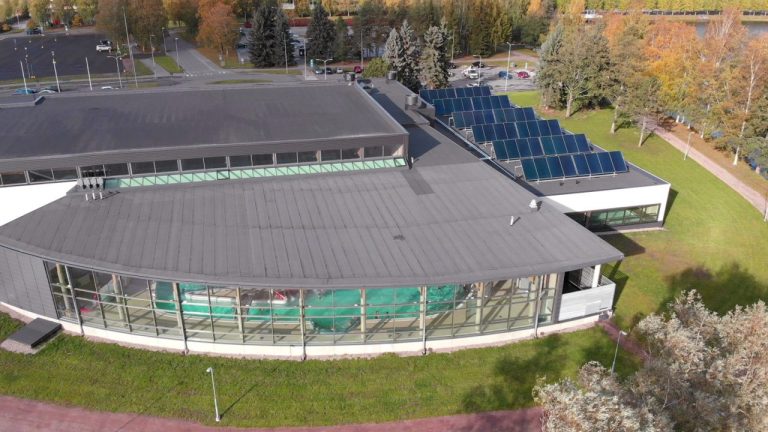
Swimming halls are very well suited for solar thermal production. Typically, their heat consumption is big and the required temperature level tends to be relatively low. In such cases solar thermal collectors are operating with a very high efficiency.

However, quite often swimming halls are closed some time of the year and summertime closure may mean extra challenges for solar heat supply.

For Hämeenlinna swimming hall Savosolar solved this issue by feeding surplus solar energy in summer to the nearby district heating network. Thus, the solar system is producing heat all days and depending on the swimming hall’s actual heat demand, the facility is either a district heating provider or a consumer.

Grenaa Varmeværk

Savosolar was happy to sign its so far largest delivery contract with Grenaa Varmeværk in 2018. Savosolar’s highly efficient Savo 15 premium collectors are installed right next to an existing solar collector field which had been commissioned in 2014.

In this turn-key project Savosolar acts as the main contractor enlarging the solar fraction of the district heating network. Its operator, Grenaa Varmeværk, is producing about 146,000 MWh of heat per year. By using solar thermal it has managed to keep their customers´ heat price among the lowest in the whole of Denmark.

The new solar field with Savosolar collectors will increase the overall solar yield and ensure lowest energy production costs also in the future.

Lübeck

Under construction

Lübeck, Germany (largest solar thermal plant in Schleswig-Holstein federal state)

Summa Energy has been selected as general contractor to build a 9 MW solar thermal system on behalf of Stadtwerke Lübeck Energie GmbH for its district heating network, which supplies households in the Moisling city district with healthy heating. Only 788 pieces of Savo 16S large scale high performance flat plate collectors are sufficient to getting combined with an 3,000 m³ heat storage tank and produce carbon free heat for the needs of all connected consumers.
Additionally, a PV system will be built on site to generate the electricity consumed by the solar pumps, thus unburdening the local power grid.
The scope of supply includes also all the land works, the construction of a technical building and the supervision system to operate the plant in automatic mode.